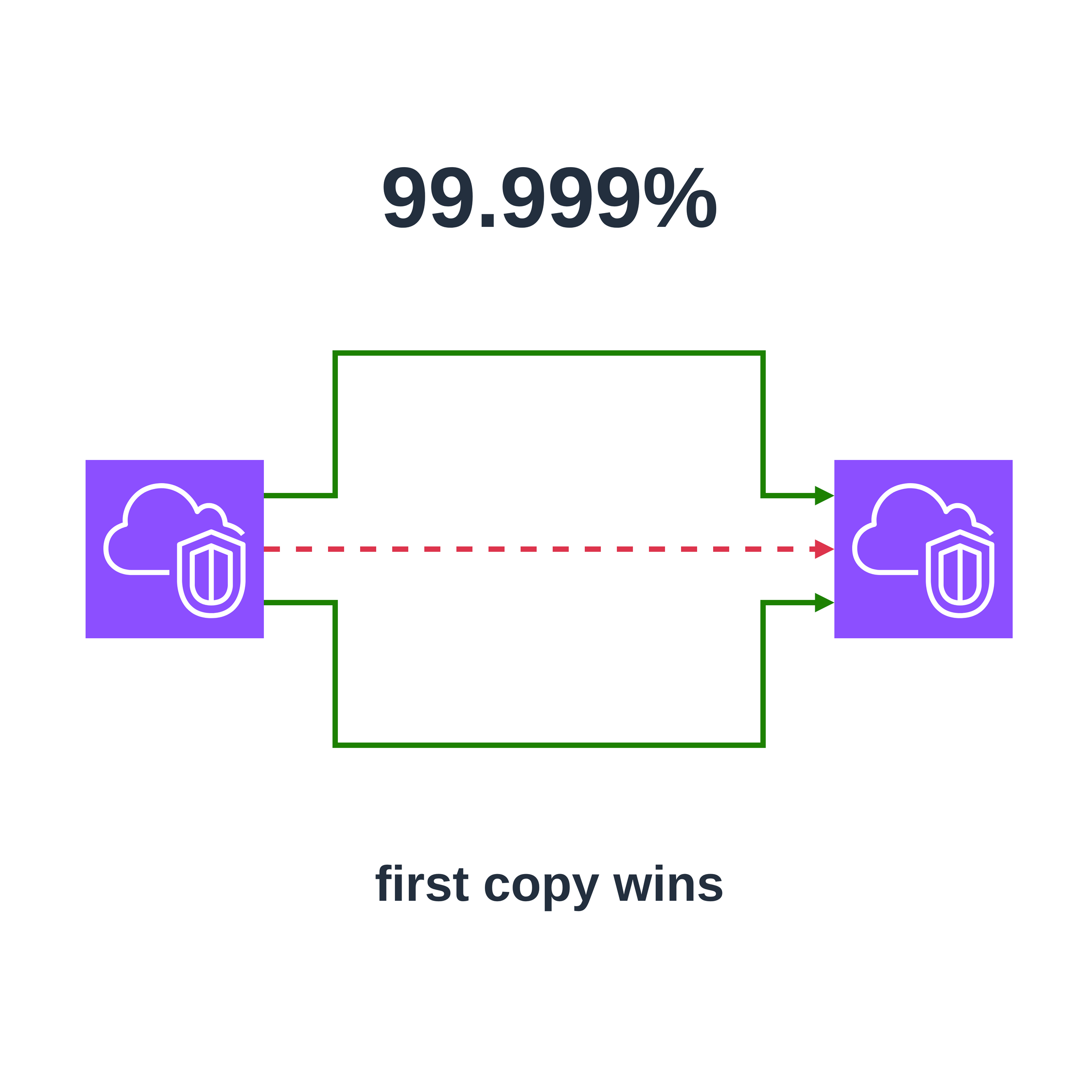
AWS now copies each cross-Region packet over physically diverse backbone paths and keeps whichever arrives first, with a 99.999% daily SLA. The mechanism is sound. The SLA's small print decides which of your paths it actually covers, and the quiet ones are not among them.
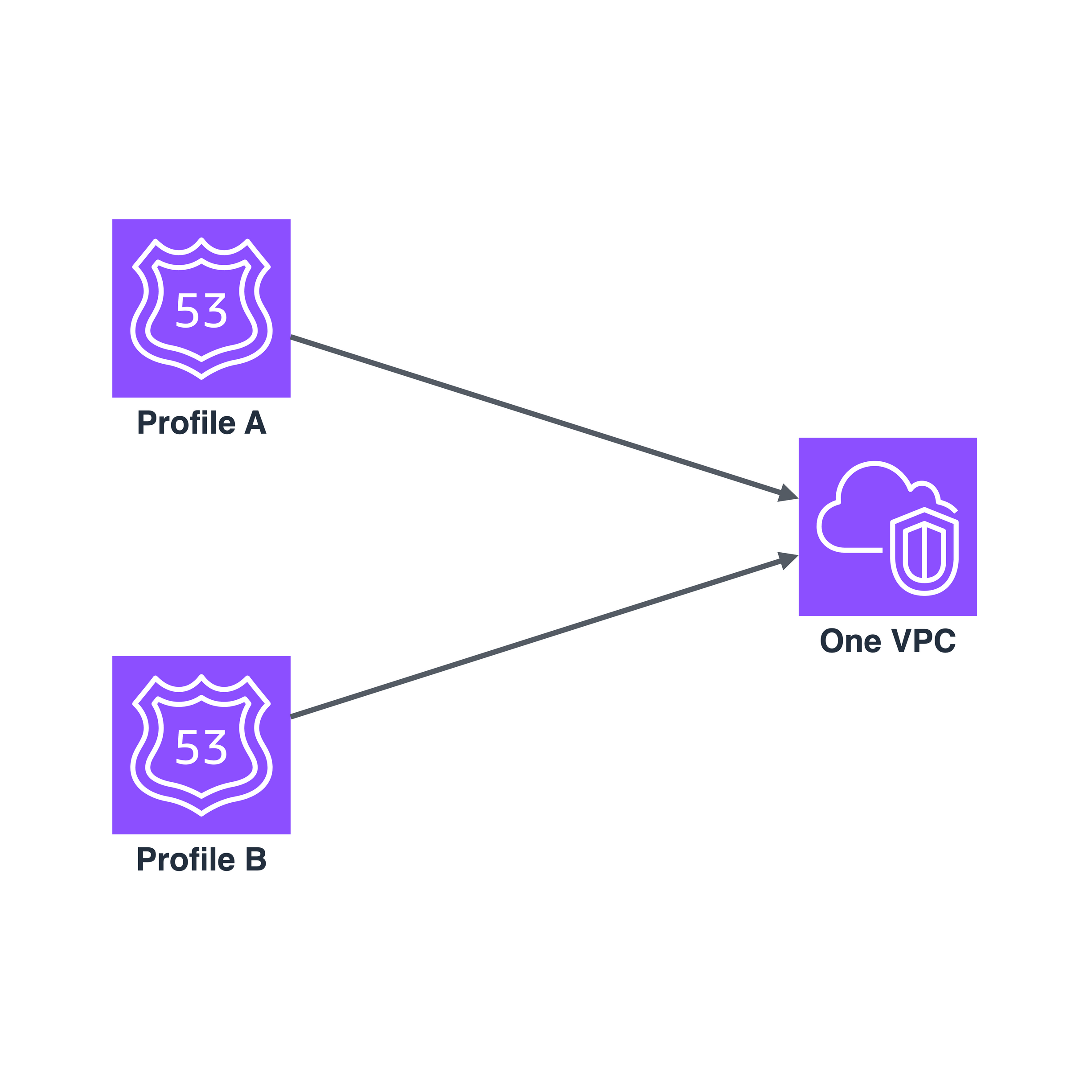
Route 53 Profiles promised one tidy bundle of DNS settings per VPC. A VPC can now carry two, which fixes an ownership problem and quietly introduces a precedence problem. The rules that decide which Profile answers a query are not the rules most people will assume.
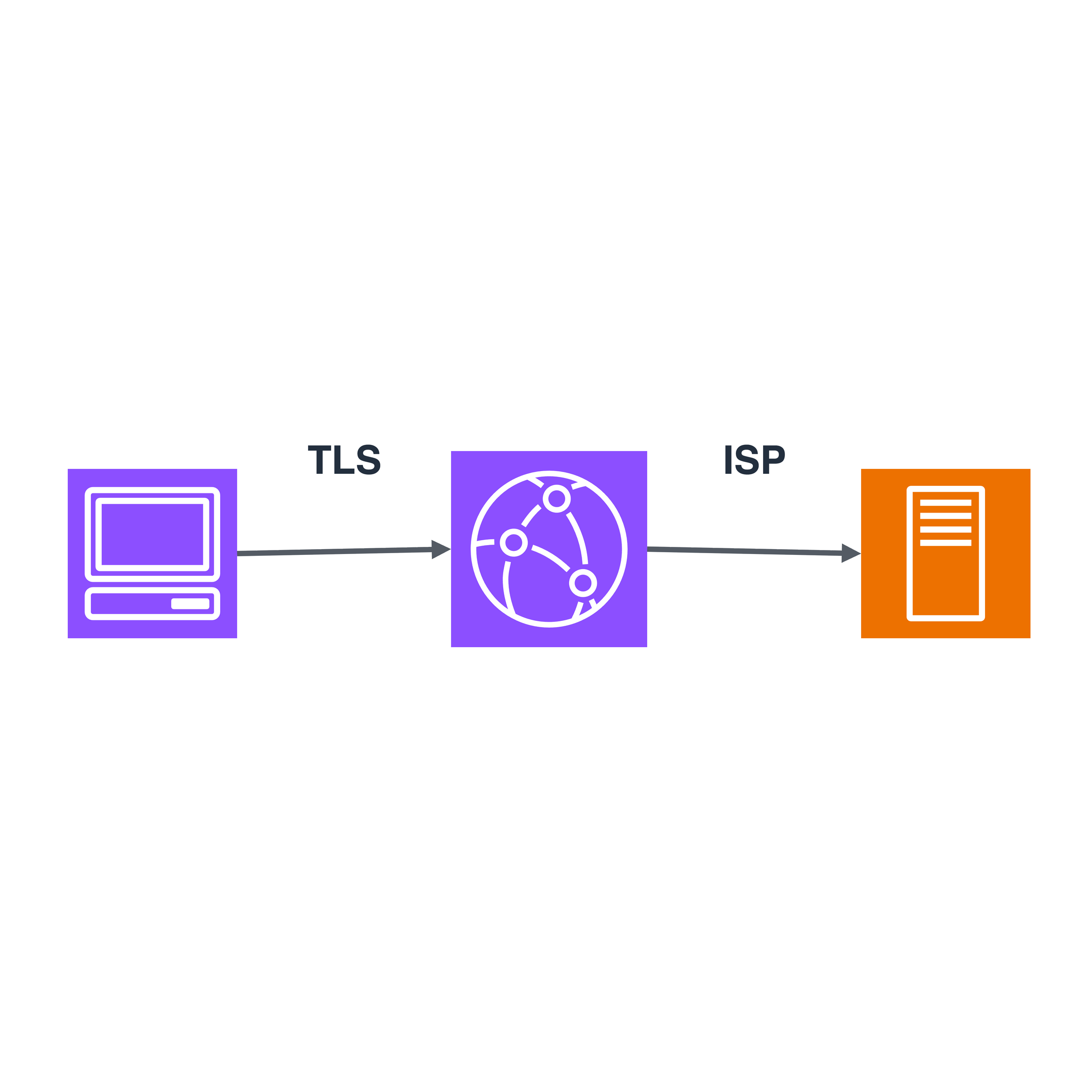
Everyone has a post-quantum slide. Almost nobody can say what share of their own viewers negotiate a quantum-safe key exchange. A pair of new CloudFront headers finally lets your origin count, and it also tells you which ISP each request came from.
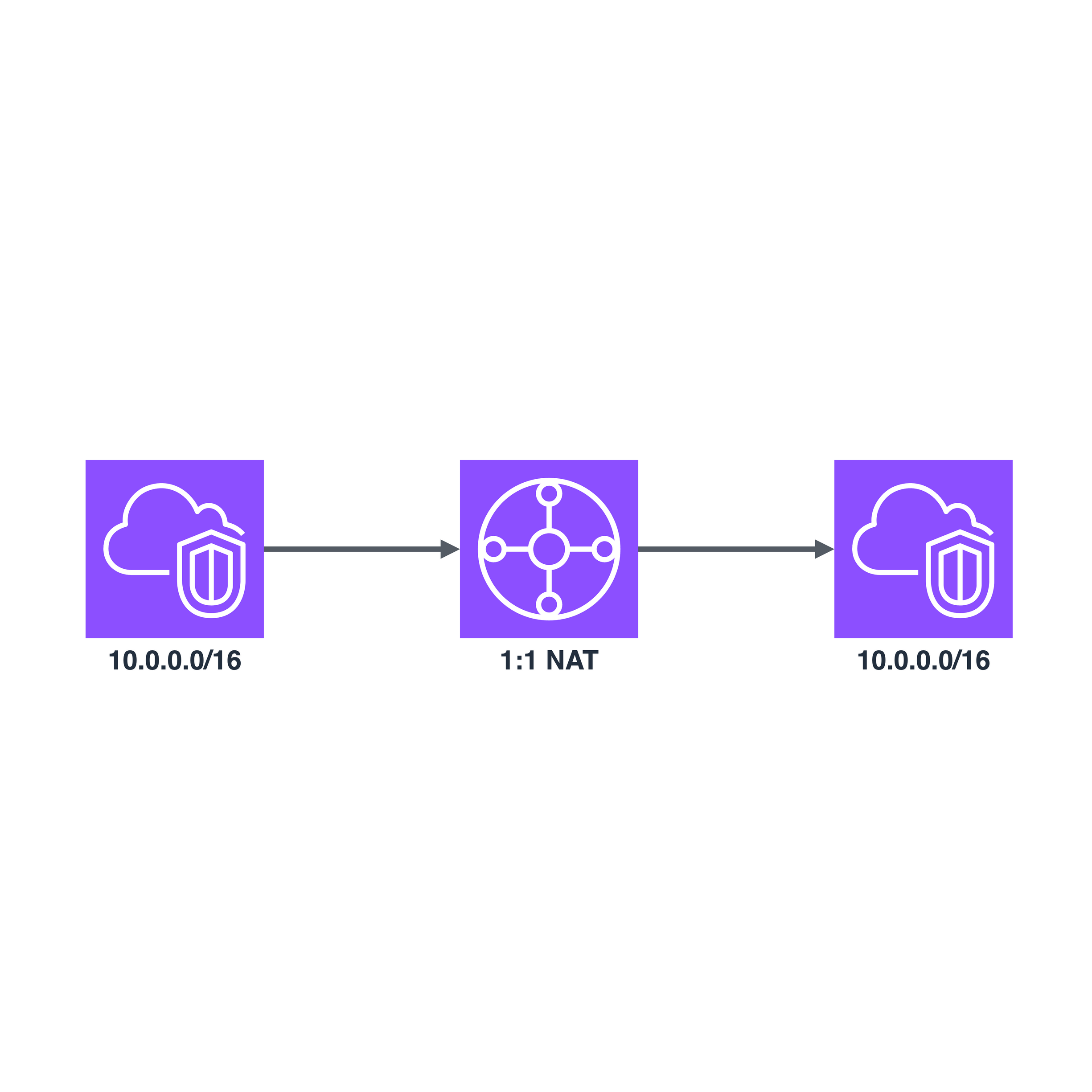
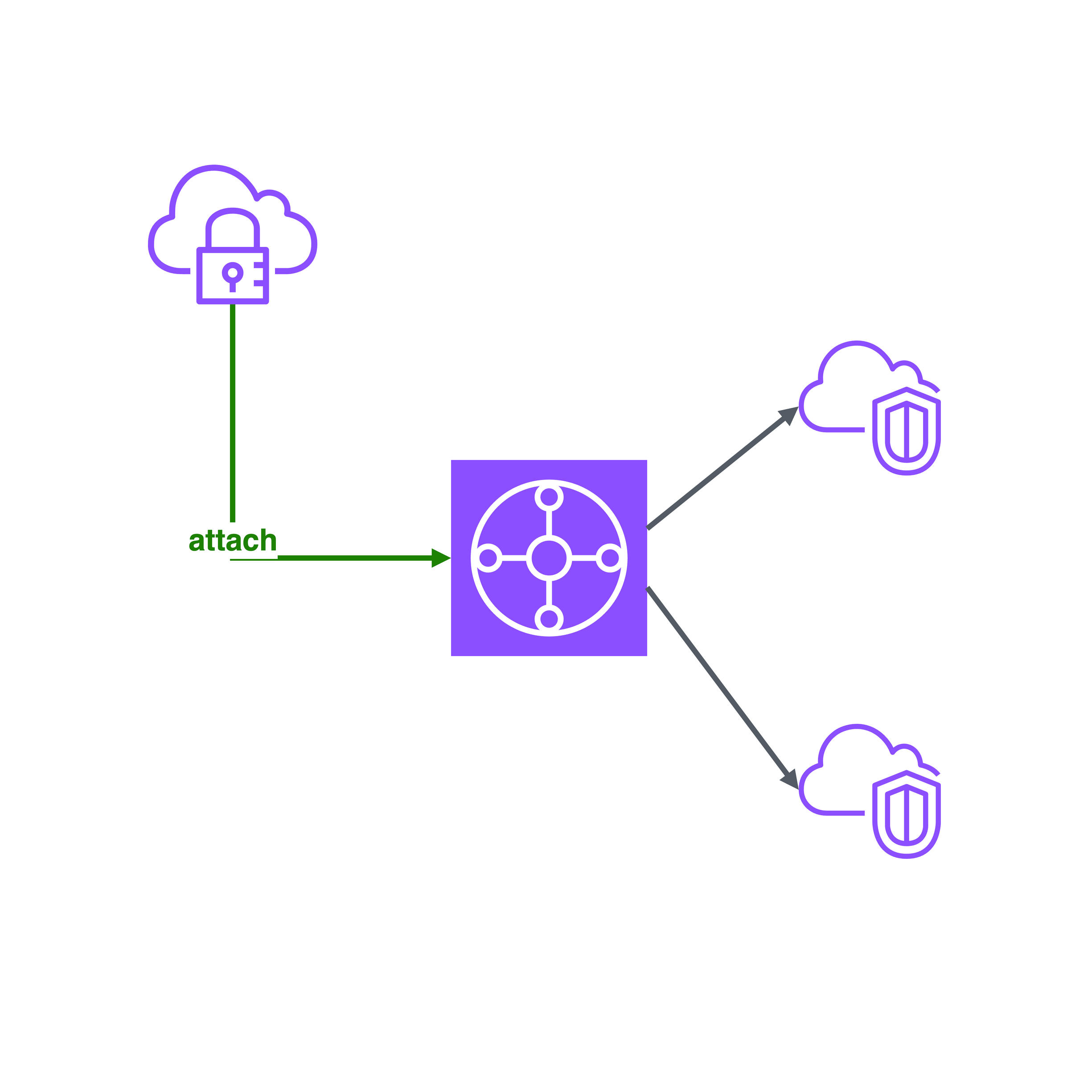
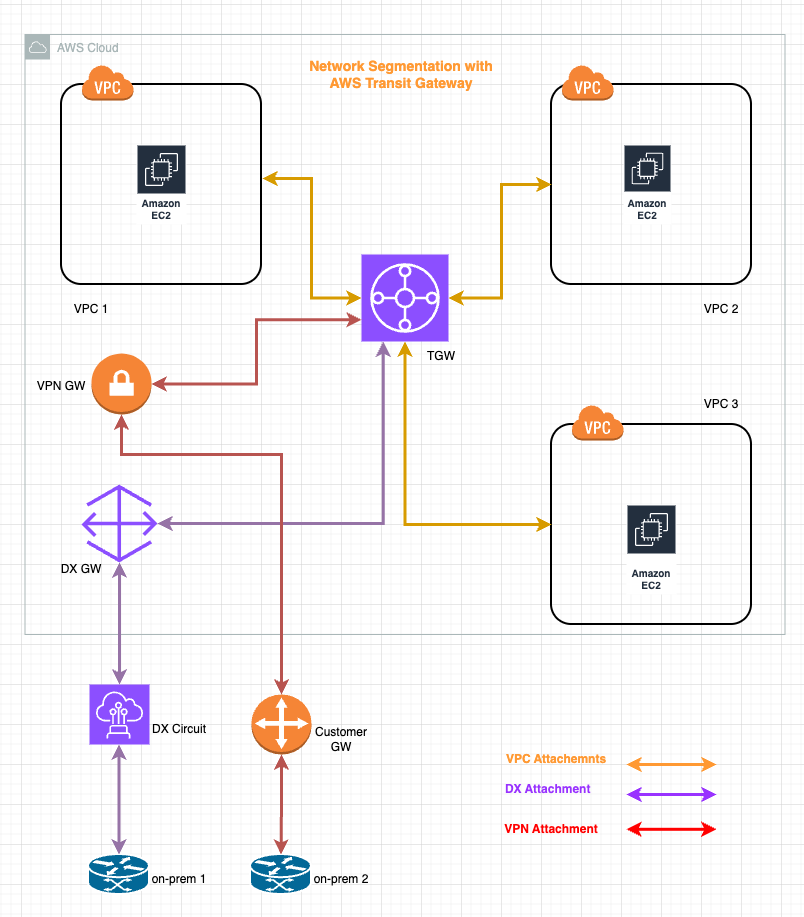
AWS Transit Gateway and Cloud WAN can now translate addresses on the attachment, so two networks that share a CIDR can finally talk. It removes the renumbering project. It does not remove the address plan, and the routing fine print decides whether it works.
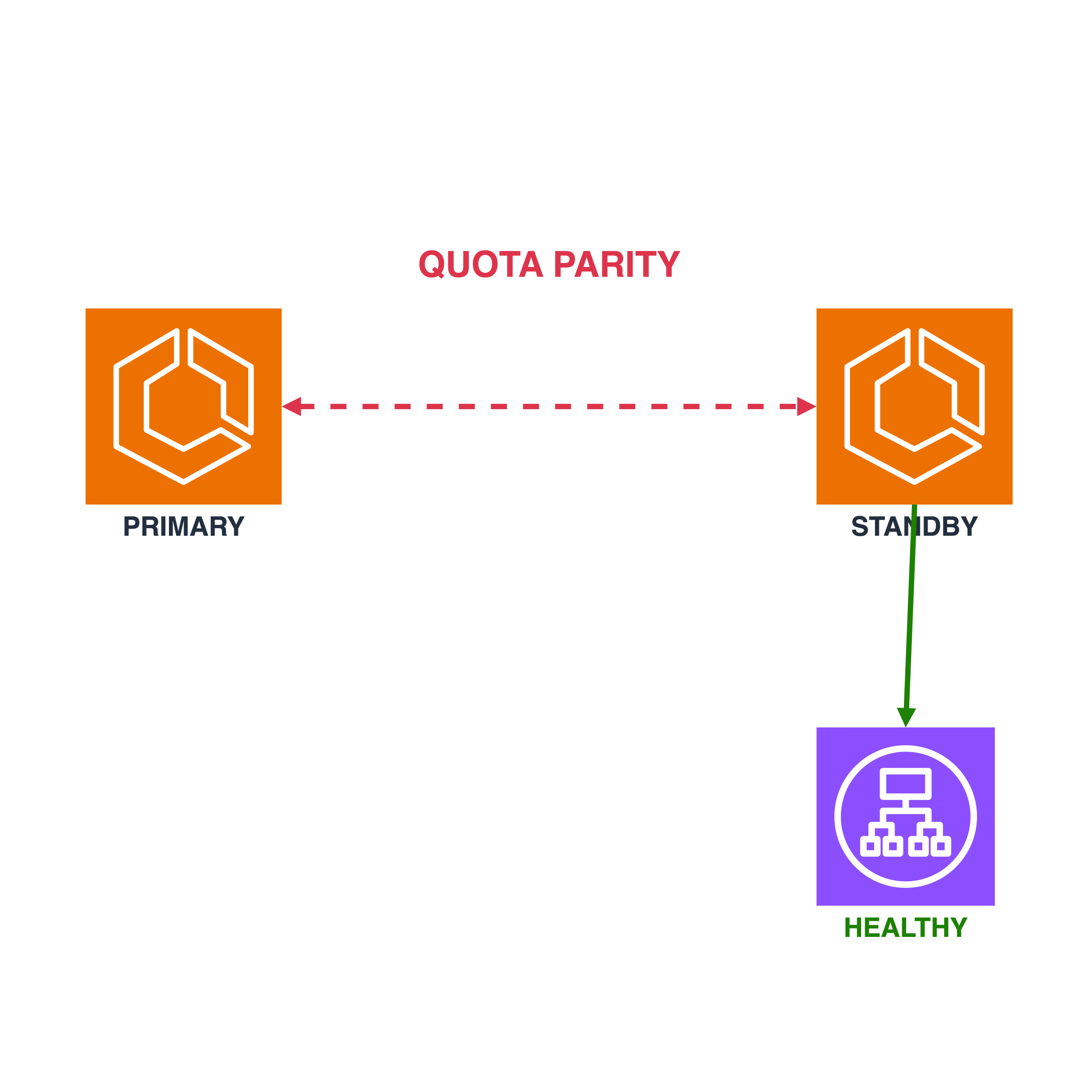
A failover plan can be green, rehearsed and wrong, because the standby Region quietly ran out of quota while nobody was looking. Four new Region switch capabilities go after exactly the failure modes that make a healthy-looking plan stall mid-recovery.
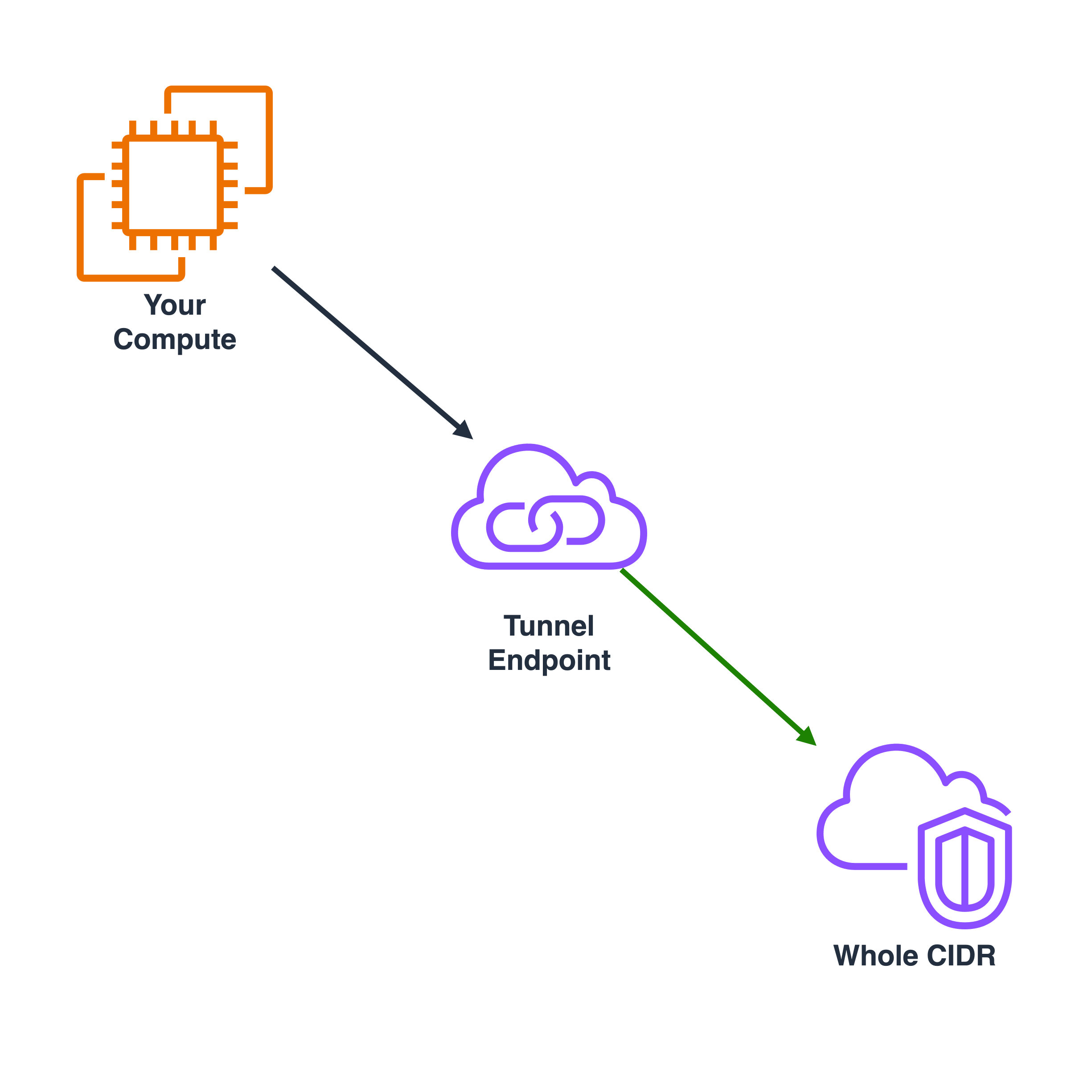
PrivateLink used to mean one door per resource. Tunnel endpoints hand a vendor a whole CIDR range through a single GENEVE tunnel, and quietly move a chunk of the network design onto the consumer's compute.
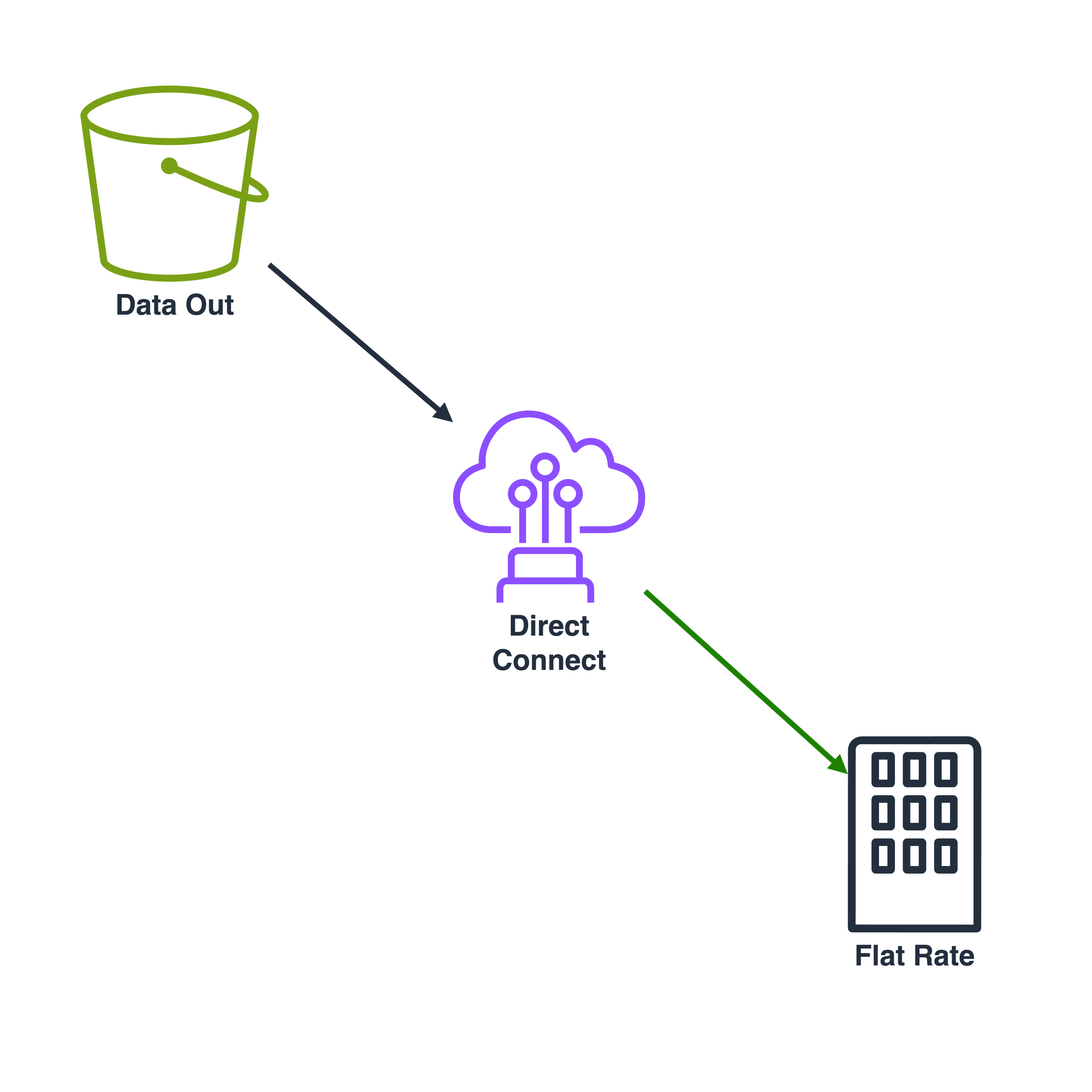
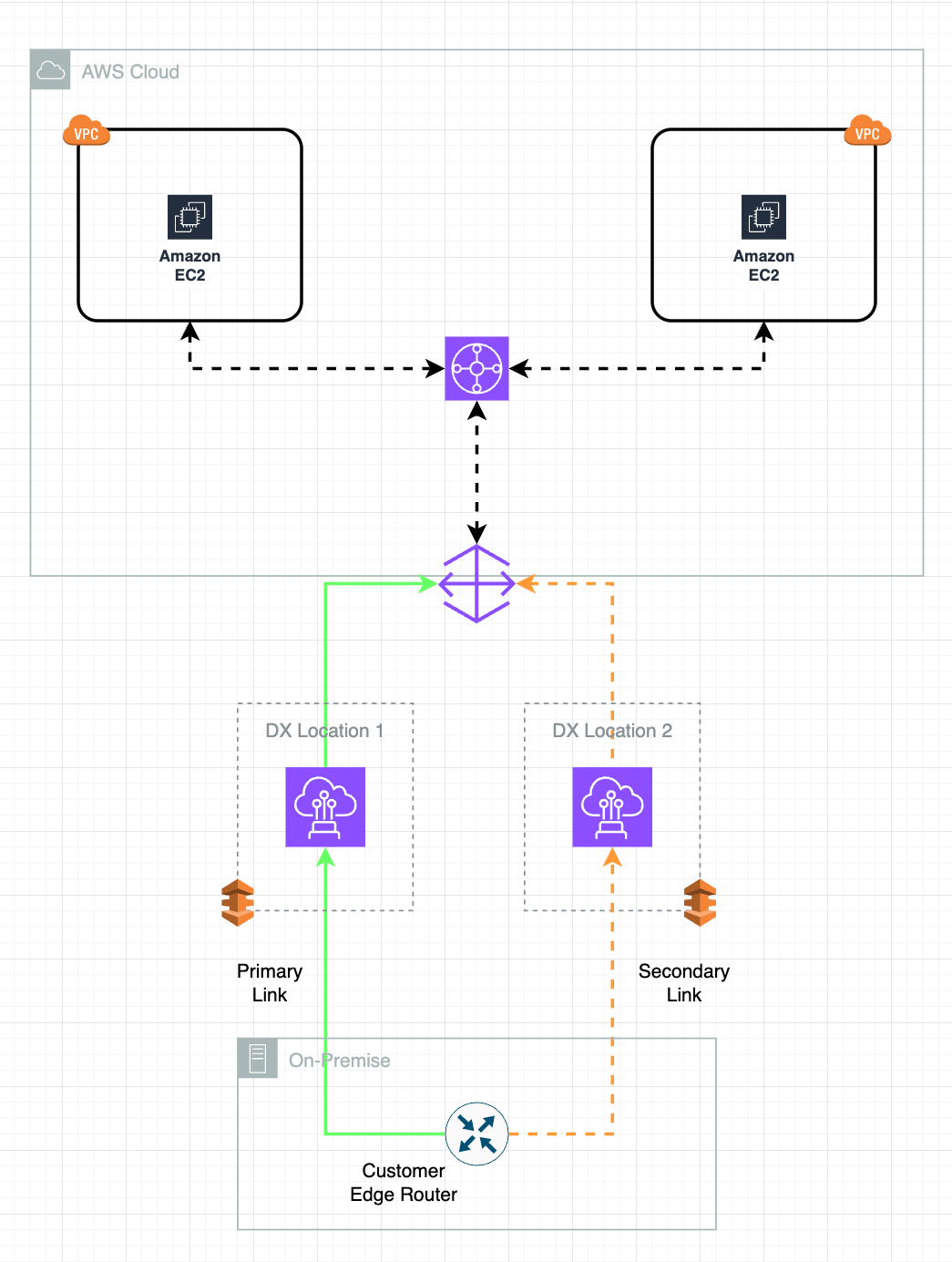
AWS Direct Connect now sells 10 and 100 Gbps dedicated connections at a fixed hourly rate with no per-gigabyte data transfer out charge. The headline is a budgeting win. The fine print is a routing, resiliency and account-design decision that is easy to get wrong.
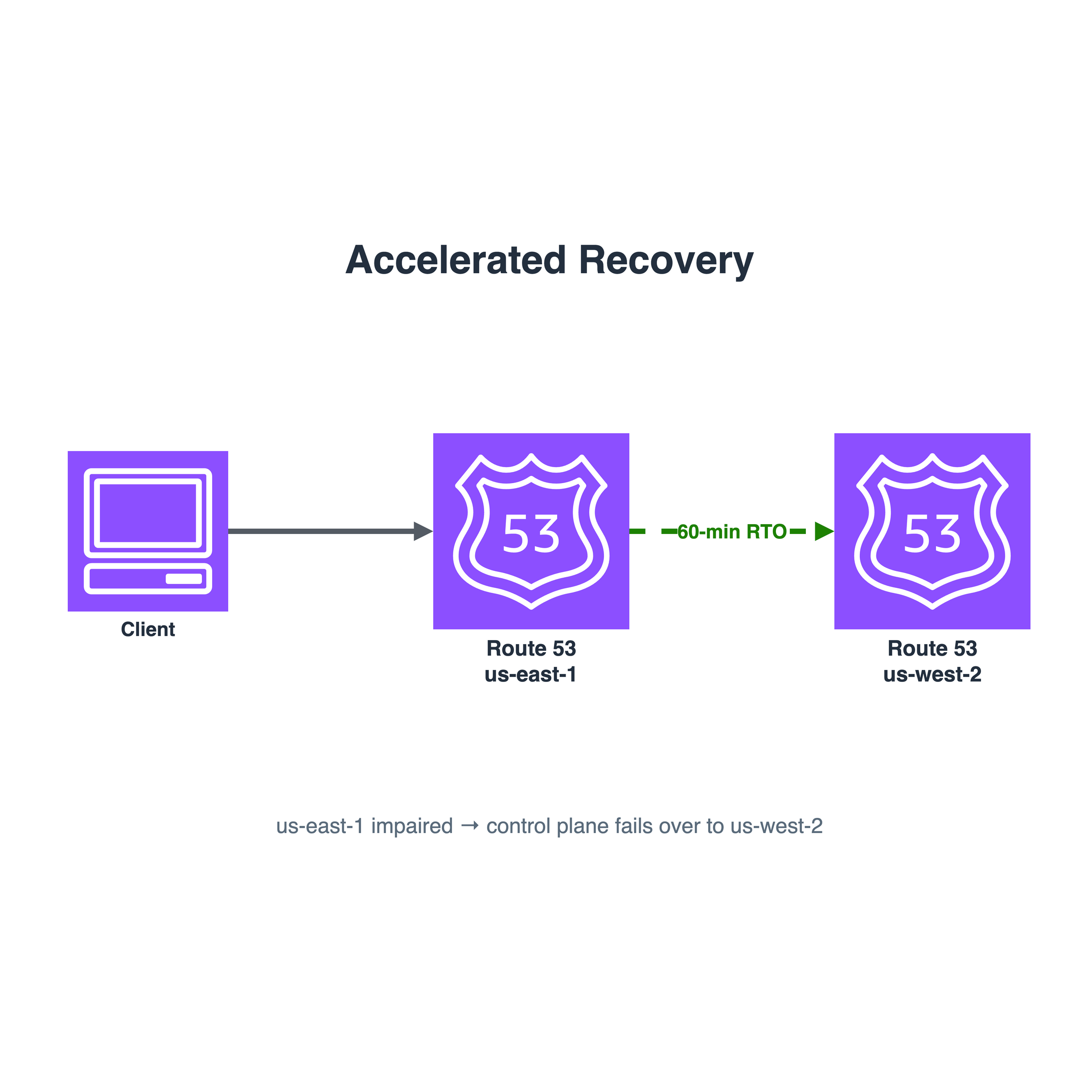
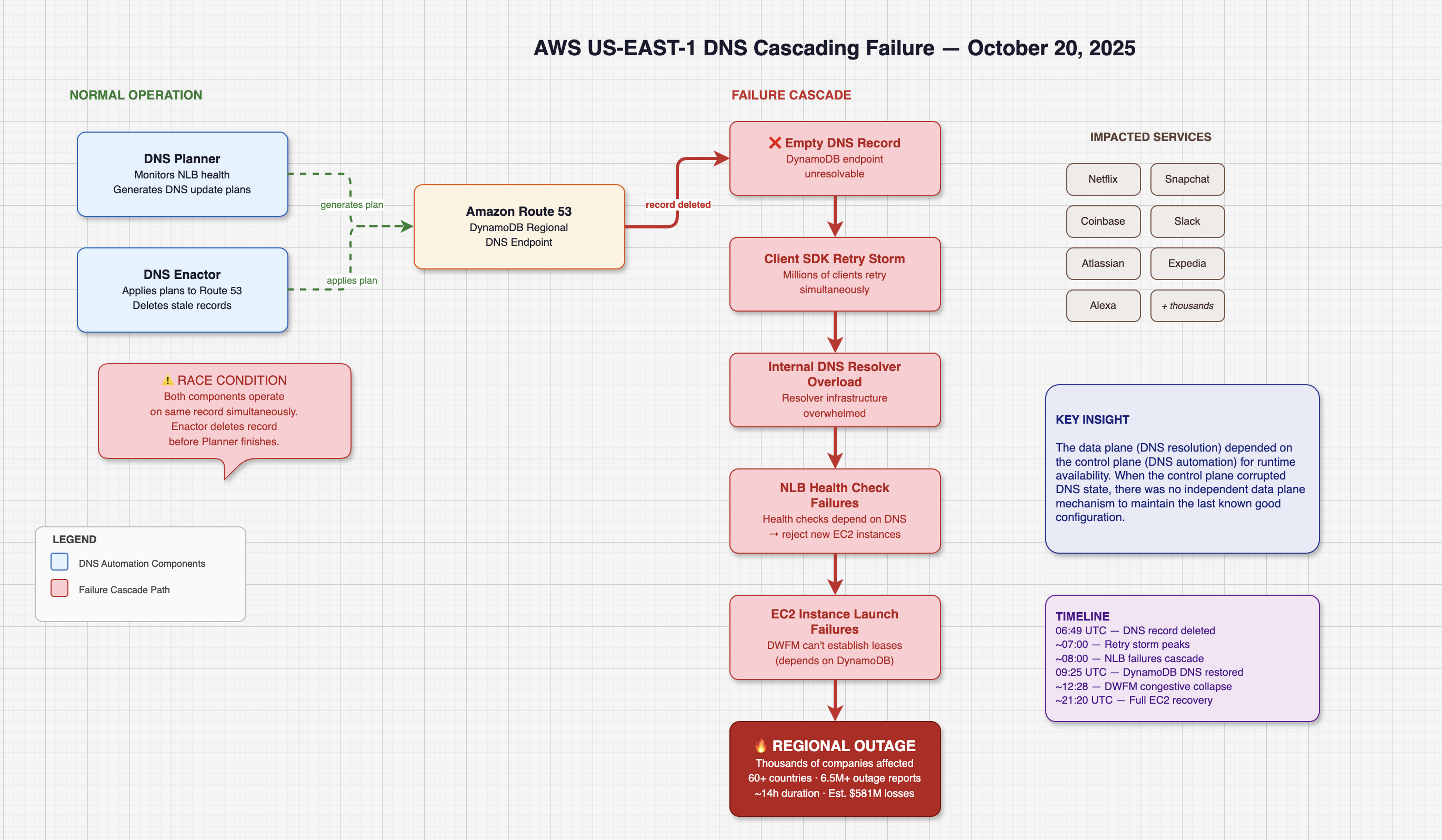
Route 53's data plane answers queries from over 200 points of presence worldwide and has for years. Its control plane — the part that lets you change a record — has run from exactly one AWS Region for years. A new feature called Accelerated Recovery finally gives it a standby, but not by doing the obvious thing, and the reason why traces straight back to the outage that made the case for building it.
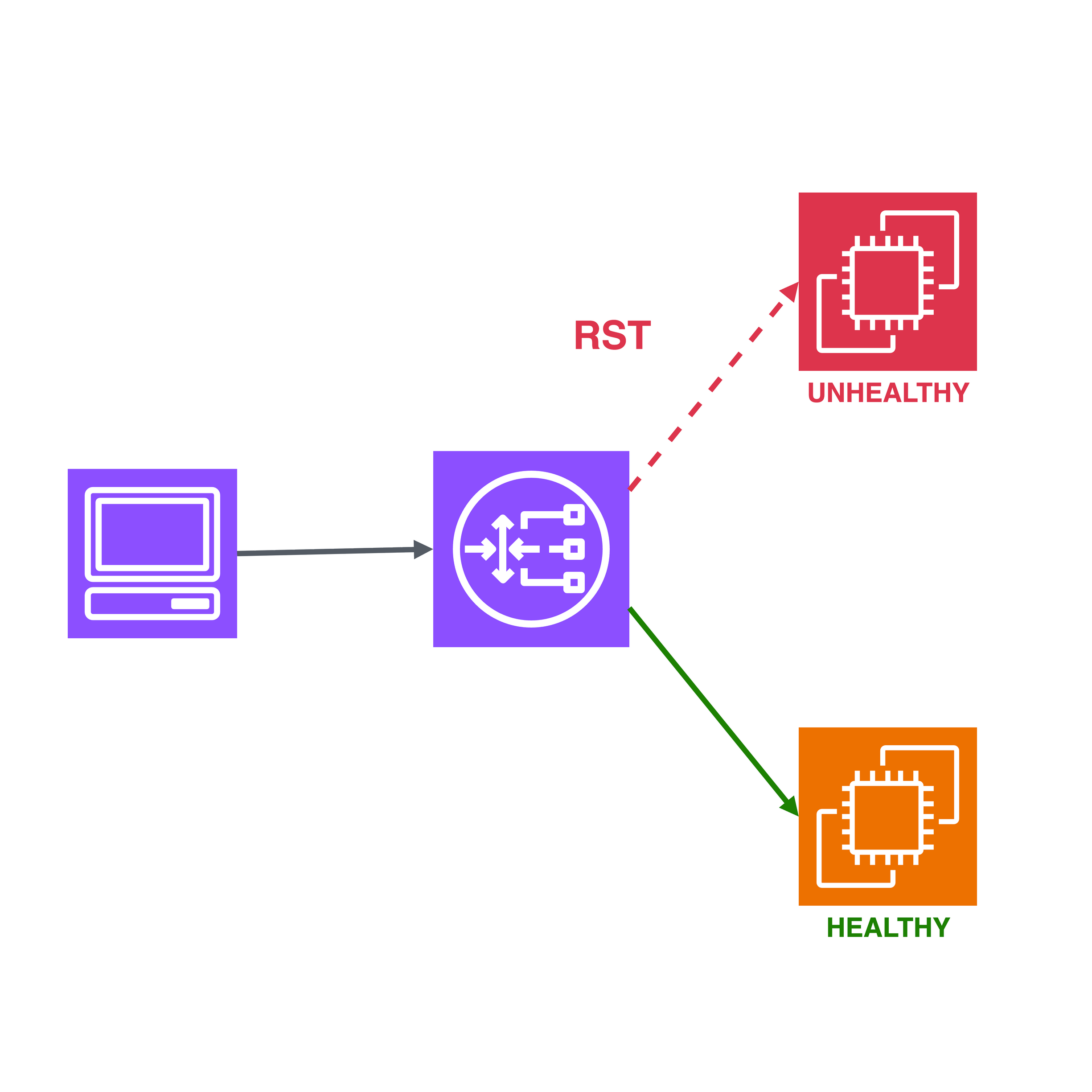
When a firewall appliance behind AWS's Gateway Load Balancer dies, the connections running through it don't get an error. They get silence, sometimes for minutes, because GWLB's default failure mode is built to survive a health-check flicker, not a real outage. A new TCP Reset feature finally gives it a way to say so — but only once you accept a trade-off the old default let you ignore.
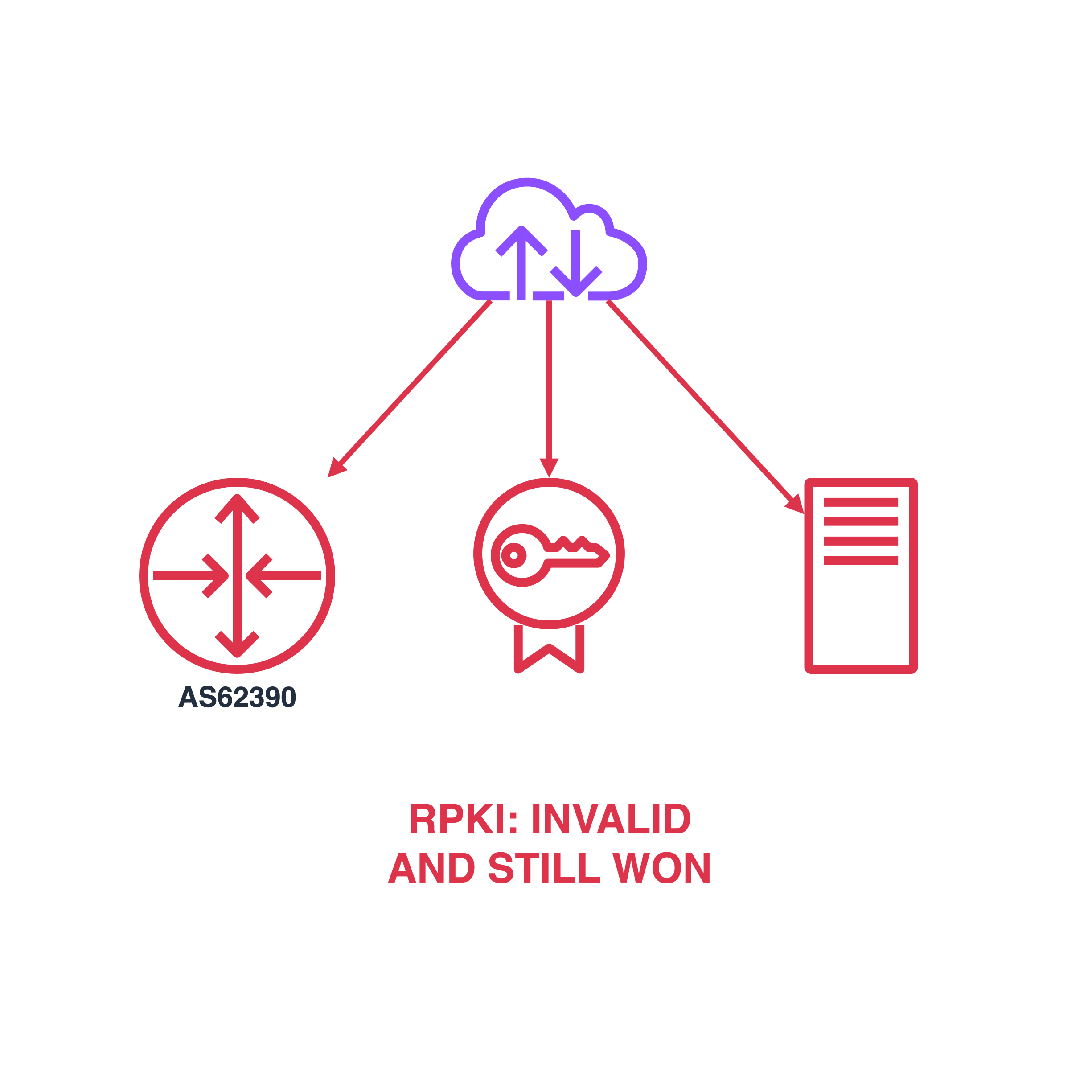
For 33 hours in late August, a rival network hijacked a block of Hetzner-hosted infrastructure serving Softaculous and Virtualizor, using it to issue a valid TLS certificate and push a malicious software update. The stolen route was RPKI-invalid the entire time, on file, checkable by anyone. It still won on most of the internet.
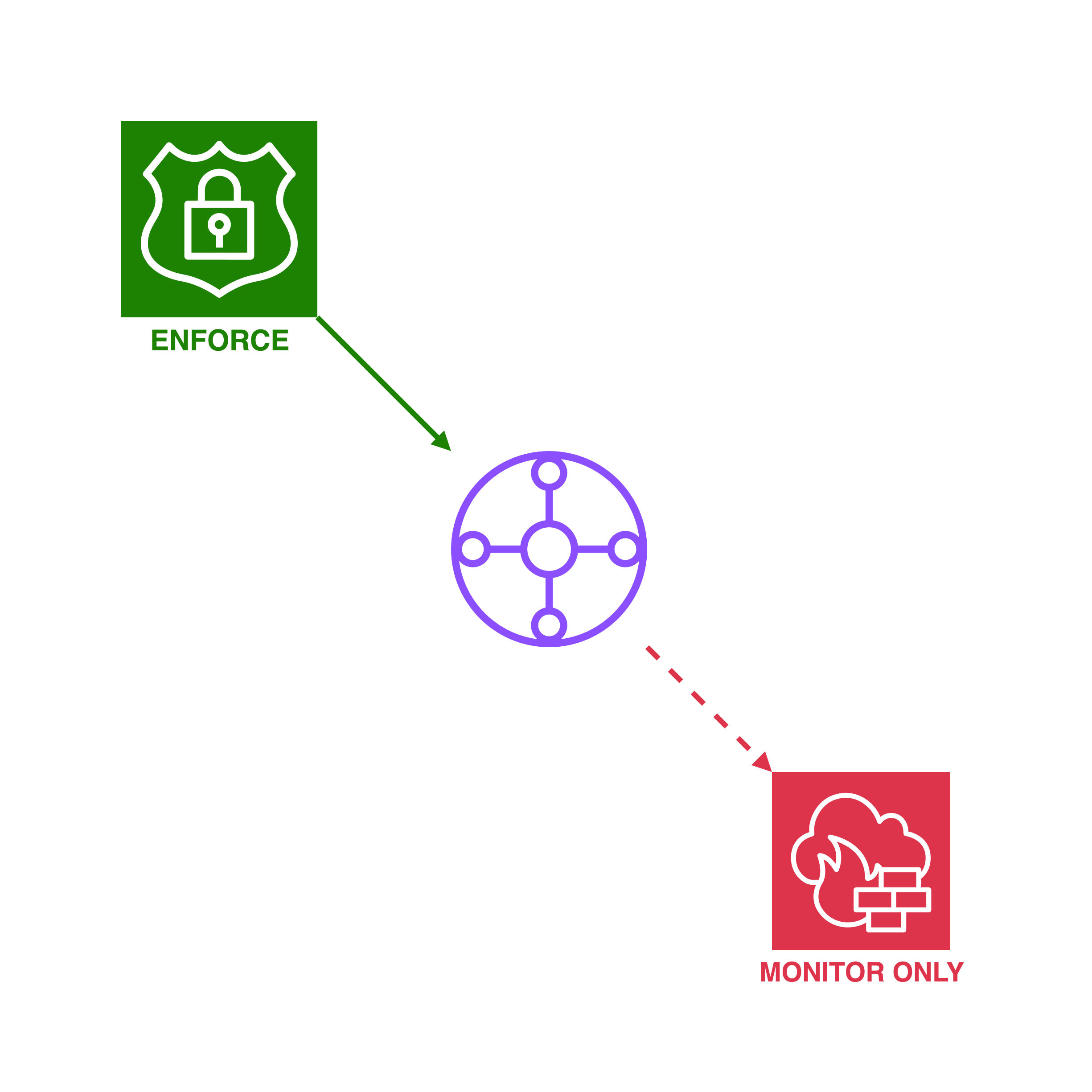
AWS's VPC Encryption Controls can block an unencrypted resource from ever being created — a real enforcement mechanism, not a compliance report. But its own documentation draws a hard line around the one VPC most inspection architectures are built on, and no exclusion can cross it.
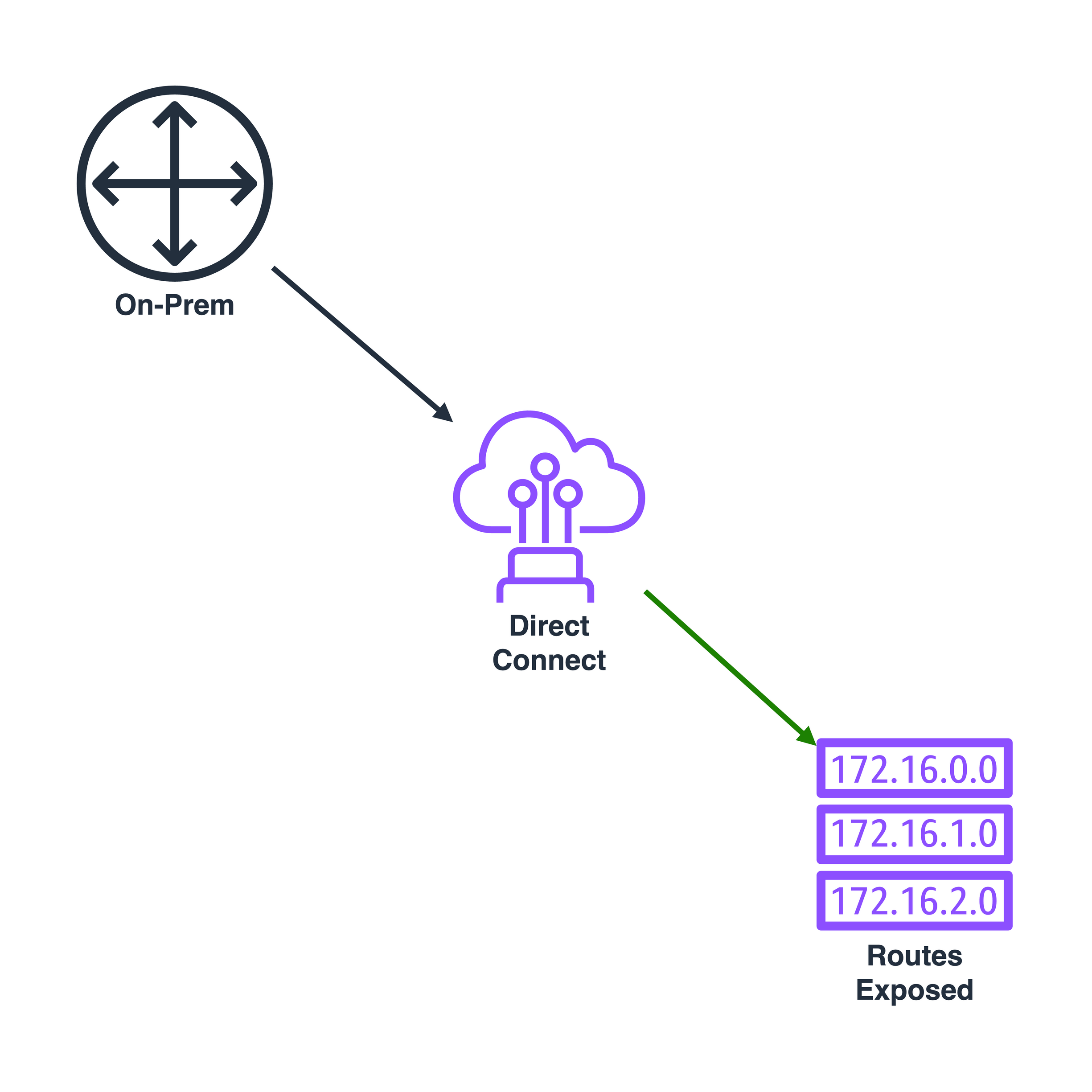
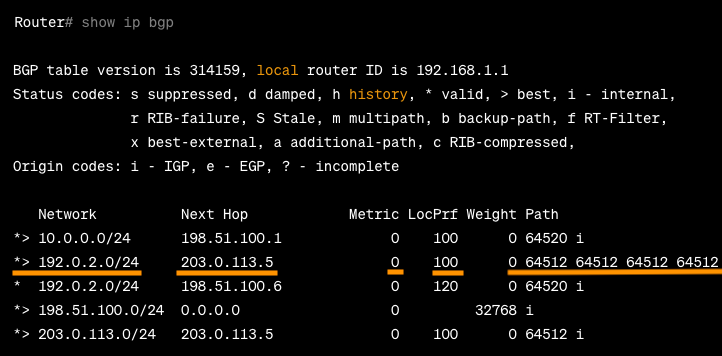
Until 30 July 2026, an AWS Direct Connect BGP session was visible from exactly one side — your own router's table, never AWS's. BGP route visibility finally exposes the routes AWS actually accepted and is actually advertising, per virtual interface, so a community tag that didn't land the way the runbook promised is a query away instead of a support case.
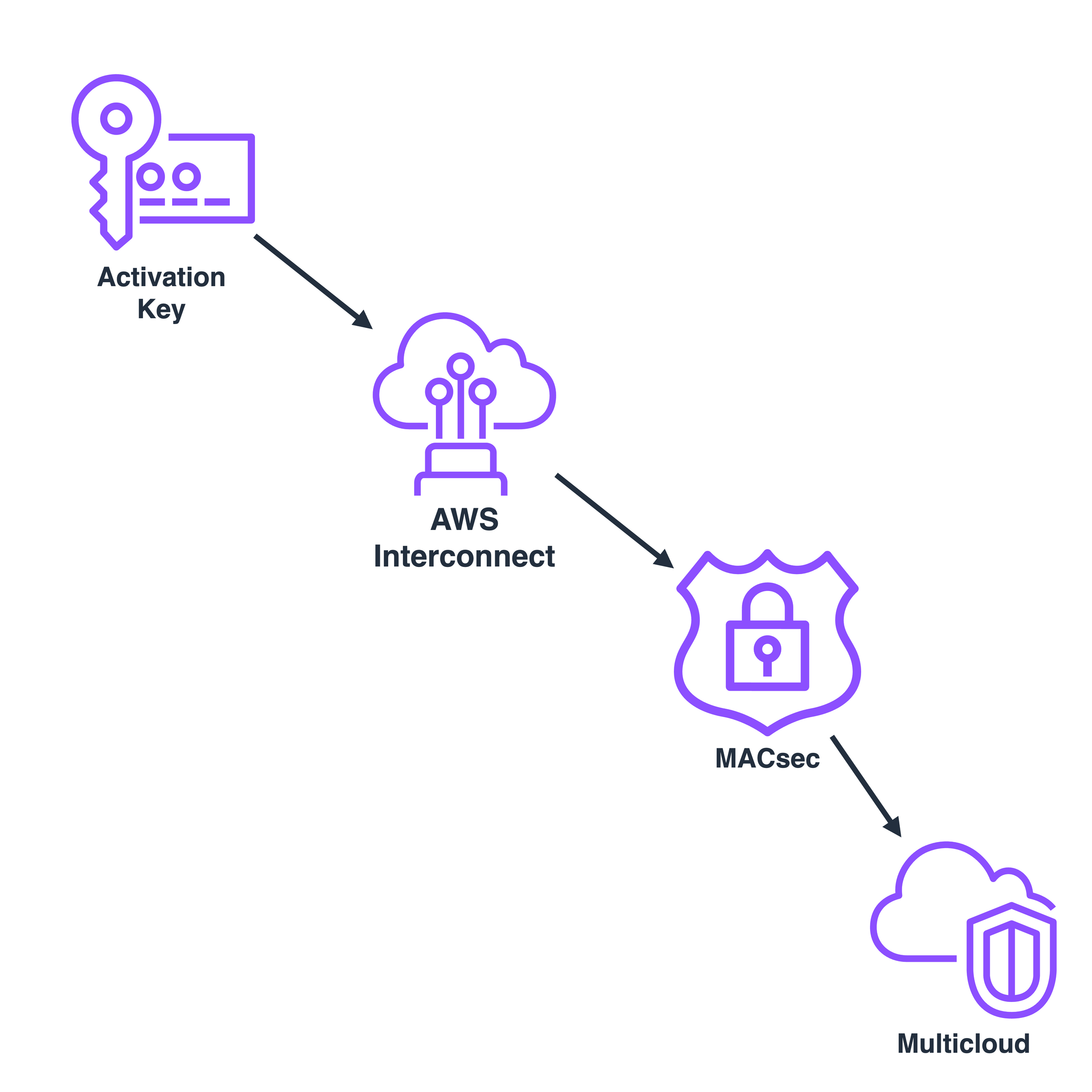
Getting AWS's own recommended resiliency model for Direct Connect has always meant ordering physical ports at two facilities and waiting up to 72 business hours per port. AWS Interconnect replaces that whole choreography with a token you redeem — and quietly makes the resiliency model AWS always recommended into the one you can no longer skip.
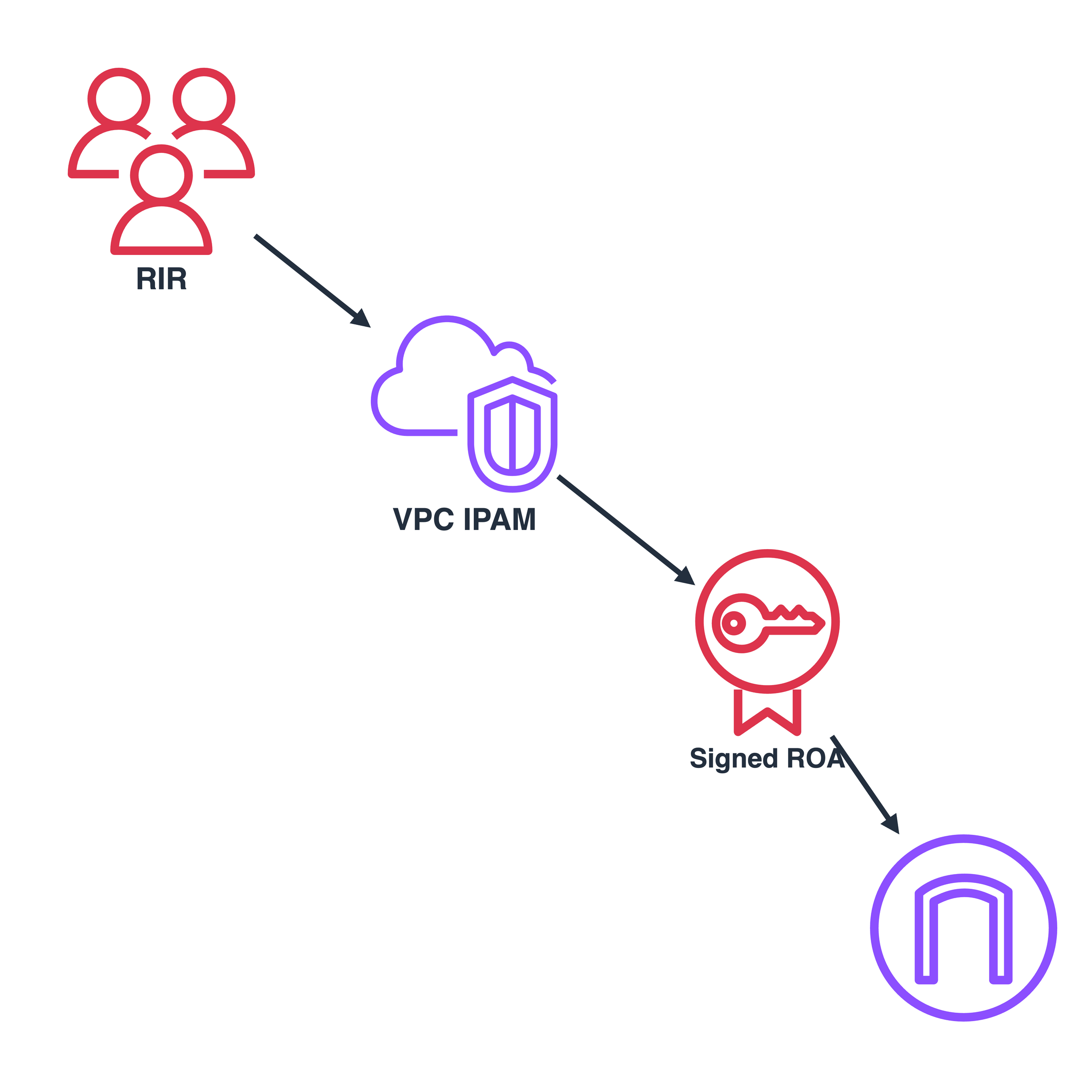
In 2018, a hijacked BGP announcement redirected Amazon's own DNS traffic long enough for real cryptocurrency to change hands, because nothing on the internet could cryptographically ask whether the hijacker was allowed to originate that prefix. Amazon VPC IPAM's new delegated RPKI automates the fix for BYOIP customers: AWS now creates, renews, and monitors Route Origin Authorizations at the Regional Internet Registries so nobody has to remember to.
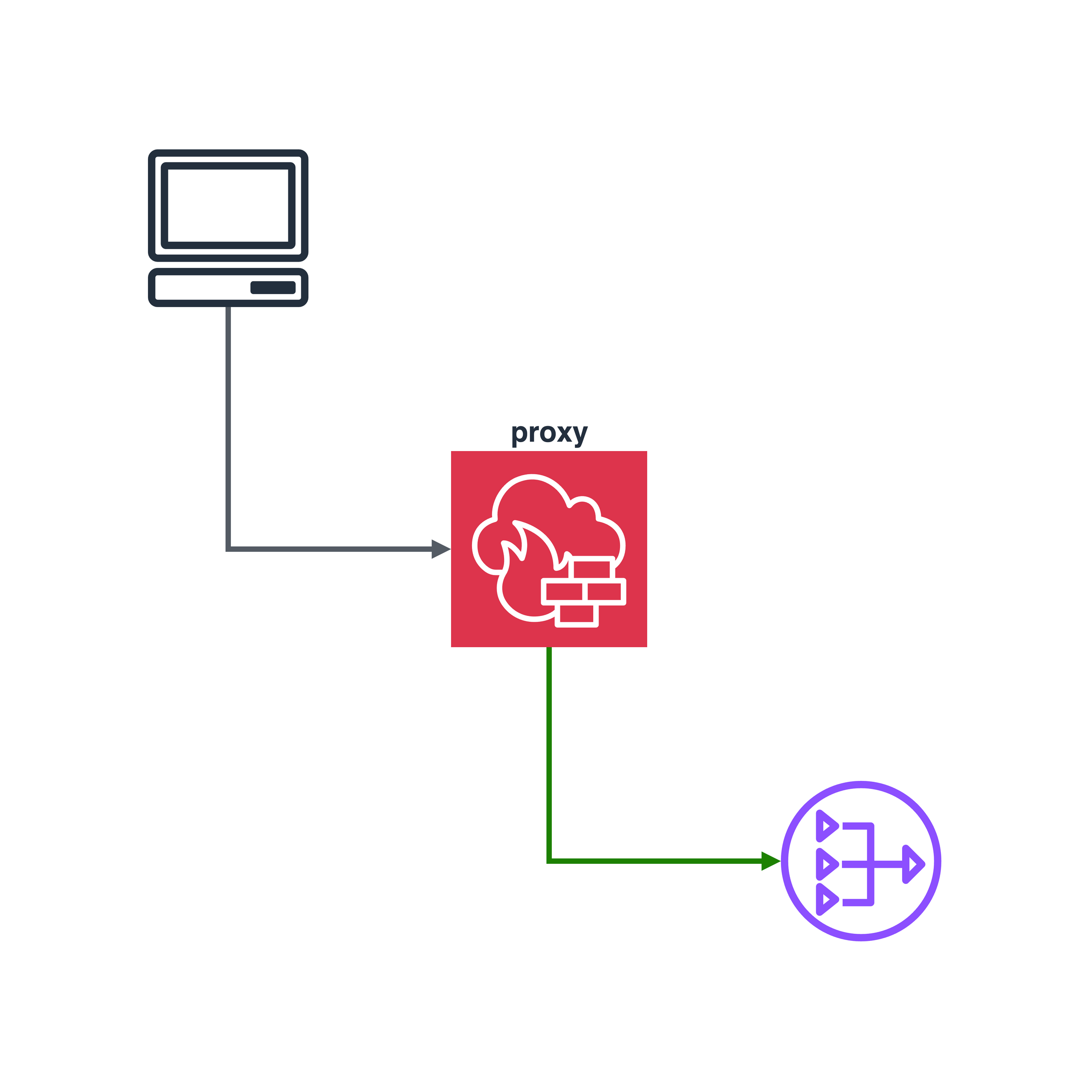
AWS launched a standalone egress-proxy preview at re:Invent 2025, then quietly rebuilt it eight months later as a mode inside AWS Network Firewall itself. The redesign isn't cosmetic — no-source-preservation mode is the first documented way to centralise egress filtering across VPCs with overlapping CIDR blocks, a problem plain NAT Gateway and Transit Gateway routing can't solve.
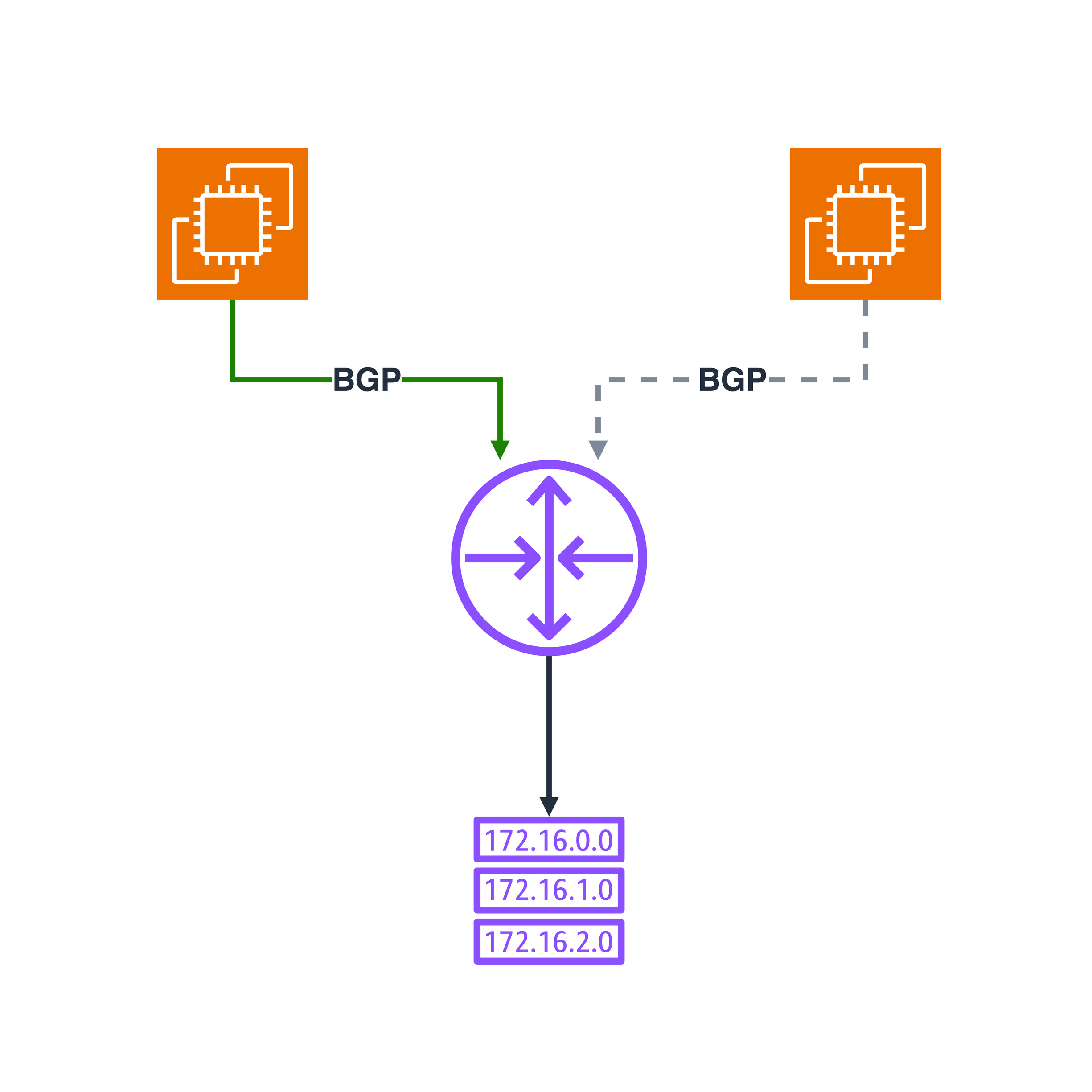
For years, keeping a self-managed NAT instance or firewall appliance highly available inside a VPC meant a health-check script rewriting route tables through the EC2 API. AWS's own case study on how ad-tech firm Magnite pushed Amazon VPC Route Server into production shows what changes once BGP, not a script, is the thing deciding your route tables.
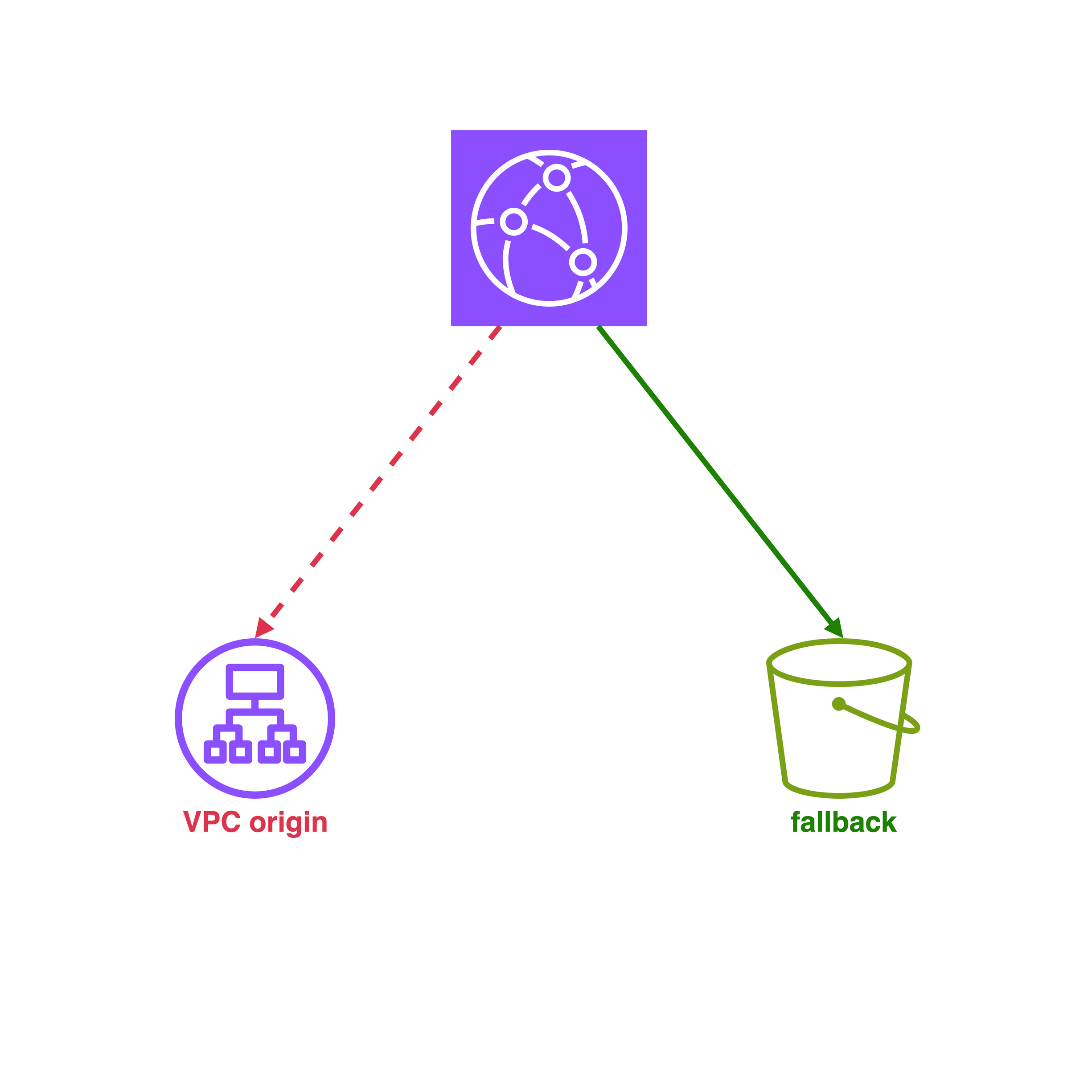
On 16 July 2026 a single AWS fleet failed to load a routing-config update and every CloudFront distribution using VPC Origins went dark for three and a half hours — Canvas, Blackboard and Hugging Face included. The lesson isn't 'don't hide your origin'; it's that hiding it moves you onto a control plane you don't operate.
Every mature AWS estate has one: a VPC that exists only to host Client VPN ENIs, quietly rewriting every remote user's source IP on the way in. AWS has made it unnecessary — and given security teams their IPs back.
Between July and October 2025, three of the world's most sophisticated infrastructure providers — AWS, Microsoft Azure, and Cloudflare — experienced significant outages that revealed strikingly similar architectural patterns.
Published by Apress and available now in print and eBook — a practical guide to designing scalable, fault-tolerant, highly-available cloud network architectures.